Common access problems for Knightsbridge removals and solutions
Posted on 18/06/2026
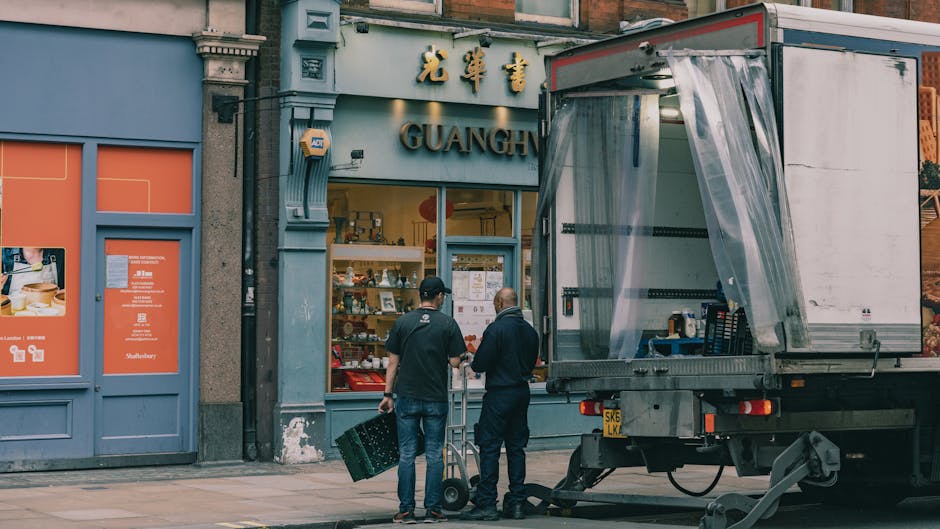
Moving in Knightsbridge can look straightforward on a map, and then reality arrives: tight streets, awkward entrances, lift delays, loading restrictions, concierge rules, and the classic "the van can't quite get there" moment. If you are planning a move in SW1, understanding the common access problems for Knightsbridge removals and solutions can save time, money, and a fair amount of stress.
This guide breaks down the access issues people run into most often, why they matter, and what to do before moving day. It is written for flats, townhouses, offices, and specialist items alike, because in Knightsbridge the access challenge is often the real job. Not the boxes. Not even the stairs. Access.
We will look at practical fixes, planning steps, common mistakes, and a realistic approach to getting items in and out safely. If you want a broader overview of moving options first, you may also find the services overview useful, especially when you are deciding whether you need a small van, a full removals team, or something more tailored.
Why Common access problems for Knightsbridge removals and solutions Matters
Knightsbridge is one of those places where the route on paper is never the same as the route in practice. A removal van may need to stop further away than expected. A building may require advance notice. A lift might be shared, booked, or simply too small for larger furniture. And once one delay starts, it tends to ripple through the rest of the day.
That matters because removals are time-sensitive. If access is poor, your crew may spend more time waiting than moving. The result can be extra labour, extra parking pressure, and avoidable frustration for everyone involved. In a neighbourhood with busy roads and high-value properties, those small delays can feel bigger than they are.
There is also a safety angle. Carrying a wardrobe down narrow stairs or around a tight bend is not just awkward; it increases the risk of damage to the item, the property, and the people doing the lifting. A good access plan reduces that risk before it becomes a problem.
And to be fair, most access issues are not dramatic. They are ordinary, practical, and very fixable. That is the point of this article: you do not need to accept a difficult move as a doomed move.
If you are comparing providers or deciding how formal your move needs to be, it helps to look at a reputable Knightsbridge removal company that understands local access patterns rather than treating every job as generic.
How Common access problems for Knightsbridge removals and solutions Works
Solving access problems is really a three-part process: identify the bottleneck, plan around it, and keep the move flexible on the day. That sounds simple, and in principle it is. The real difference comes from doing the planning early enough.
Start by looking at the property itself. Is it a flat, a townhouse, a basement property, or an office suite? Are there steps at the entrance? Is the lift small or shared? Can a van stop directly outside, or only for a short loading window? These are the sorts of details that change the whole job.
Next, think about the road outside. In Knightsbridge, a van may need to deal with limited stopping points, traffic pressure, or a loading bay that is already busy. Sometimes the access issue is not the building at all; it is the street.
Then there are building rules. Many managed properties ask for insurance details, booking slots, or protective equipment for floors and walls. Some require lift protection or an agreed moving time. It is routine, but it still needs coordination.
The solution is part logistics, part communication. A short pre-move assessment, clear photos, and a realistic load plan are often enough to avoid the worst surprises. When needed, a smaller vehicle or a tailored service such as man and van Knightsbridge can be a better fit than forcing a larger setup into a difficult location.
Key Benefits and Practical Advantages
Getting access right does not just make the day easier. It changes the economics and the feel of the move quite a lot.
- Less waiting time: if parking, entry and lift use are organised, the team can keep moving.
- Lower damage risk: fewer awkward carries usually mean fewer knocks on walls, doors, and furniture.
- Better use of labour: movers spend time transporting items, not hunting for a legal place to stop.
- Less stress for residents and neighbours: a tidy, punctual move is simply easier to live with.
- More accurate quotes: access details help create a realistic price rather than an optimistic one.
There is also a practical advantage people sometimes overlook: good access planning gives you options. If the lift is too small for a sofa, you can arrange a different route. If the street is awkward, you can choose the right vehicle size. If the move needs to happen quickly, you can decide whether a same-day solution is realistic.
That flexibility matters. It means you are not trapped by the first obstacle you see.
For many flats, planning around access is just as important as packing correctly. If that sounds like your situation, the dedicated flat removals in Knightsbridge page is a sensible place to compare the type of support you may need.
Who This Is For and When It Makes Sense
This guide is for anyone moving into, out of, or within Knightsbridge who suspects access may be a bit awkward. Which, honestly, is quite a lot of people.
You will find it useful if you are:
- moving from a mansion block or managed apartment building
- dealing with basement or upper-floor access
- moving a family home with bulky furniture
- relocating an office with scheduled access windows
- transporting specialist items like artwork or a piano
- arranging a short-notice move with limited flexibility
It also makes sense if you are a landlord, estate agent, concierge, or building manager helping to coordinate a move. Access issues often become a communication issue before they become a transport issue.
Students and smaller households can benefit too. A modest move can still go sideways if the building has no parking nearby or the stairs are too tight for large bags. A smaller vehicle and a simple loading plan can make all the difference, which is why student removals in Knightsbridge are often best planned with access in mind from the start.
Truth be told, if you have to ask, "Will the van actually get close enough?" then this guide is for you.
Step-by-Step Guidance
Here is a practical way to handle access problems without overcomplicating things.
- Walk the route in advance. Start at the front door and work backwards to the van location. Check doors, lifts, stairs, corridors, and turning space.
- Measure the awkward bits. If you have large items, note their height, width, and depth. A sofa that seems fine in the living room can become a nightmare at a narrow landing.
- Photograph the access points. A few clear photos of the entrance, stairs, lift, and street outside can prevent misunderstandings.
- Confirm building requirements. Ask about lift booking, loading times, concierge approval, floor protection, and any move-in paperwork.
- Check parking and stopping options. Do not assume a van can wait outside for as long as needed. In central London, assumptions are expensive. Sometimes literally.
- Match the vehicle to the route. A smaller van can be the smarter choice if the street or courtyard is tight.
- Plan the order of loading. Put the items you need first near the exit, and keep fragile or awkward pieces easy to reach.
- Build in time for the unexpected. Lift delays and traffic happen. A little buffer time is not a luxury, it is normal planning.
One small but useful habit: keep a note on your phone with the building contact, access window, and parking details. You will be glad you did when someone asks at 8:10 in the morning and you are already outside with a trolley.
For particularly time-sensitive moves, it can be worth looking at same-day removals in Knightsbridge, but only if the access picture is clear enough to make that practical.
Expert Tips for Better Results
In our experience, the best moves in Knightsbridge are not the fastest ones. They are the best prepared ones. That sounds boring. It is also true.
Tip 1: Think in terms of bottlenecks. Most access problems come down to one thing that slows everything else: a gate code, a lift booking, a badly placed car, a corner that is too tight. Find the bottleneck and solve that first.
Tip 2: Use the right vehicle for the street, not just the volume of items. A huge van is no help if it cannot stop near the entrance. A smaller vehicle with more trips may actually be the cleaner solution.
Tip 3: Protect the building before you protect the clock. Floor runners, blankets, and corner guards may feel like a small detail, but they matter in managed buildings where damage concerns are taken seriously.
Tip 4: Be honest about the awkward items. If there is a piano, a large wardrobe, or an unusually heavy table, say so early. There is no award for "surprising" the removals team.
Tip 5: Allow one person to manage access communication. Mixed messages are a classic cause of delay. One point of contact makes the day calmer for everyone.
If you need specialist help with larger or delicate items, the page for furniture removals in Knightsbridge is worth reviewing, and for difficult instruments there is also piano removals in Knightsbridge.

Common Mistakes to Avoid
Most access problems are predictable. That is the frustrating part. But it also means they are avoidable if you know what to watch for.
- Assuming the van can park outside. It might, or it might not. Central London often keeps you humble.
- Not checking the lift size. A lift that fits people does not always fit furniture. Not even close, sometimes.
- Ignoring building rules. A missed booking slot can lead to waiting, rescheduling, or a stressed concierge.
- Forgetting about stairs and landings. Tight bends can be a bigger issue than the actual staircase.
- Packing access items at the bottom of the pile. If you need a toolkit, meter reading notes, or keys, keep them handy.
- Leaving the quote conversation too late. If access is complicated, tell the removals provider before the booking, not on the morning of the move.
A little over-preparation is far better than a lot of improvisation. Honestly, that is half the battle.
And if cost surprises are a concern as well as access issues, it helps to read about how to avoid hidden removals fees in Knightsbridge so access-related extras are not a mystery later on.
Tools, Resources and Recommendations
You do not need fancy software to manage access properly. A few simple tools and habits are usually enough.
- Camera phone: useful for photographing entrances, tight corners, and street conditions.
- Measuring tape: especially important for sofas, wardrobes, mattresses, mirrors, and appliances.
- Notepad or shared notes app: keep access instructions in one place.
- Floor plan or sketch: helpful for office relocations and larger homes.
- Labels and colour coding: makes it easier to prioritise items that need to come off first.
- Contact list: building manager, concierge, mover, and anyone who controls access.
For households that are not taking everything immediately, temporary support can be useful. If you need to stage items because access is limited or the new property is not ready, storage in Knightsbridge can give you breathing room. That is often a surprisingly sensible move.
It is also worth checking the practical side of the moving process itself, including packing and boxes in Knightsbridge, because poor packing makes access issues worse. Heavy, badly sealed, or overfilled boxes slow everything down.
Law, Compliance, Standards, or Best Practice
For removals in Knightsbridge, the main compliance issues are usually practical rather than legal headlines. Still, a responsible move should respect building rules, public road restrictions, and safety expectations.
Typical best practice includes:
- checking parking and stopping arrangements before the move
- following any building management instructions for lifts and loading bays
- using safe lifting methods and suitable equipment
- protecting communal areas from avoidable damage
- making sure insurance and safety arrangements are clear
In the UK, there is also a broad expectation that removals work should be carried out safely and with proper care for property and people. Exact requirements can vary by property, contract, and local conditions, so it is sensible to confirm details rather than assume them. If you want to understand the safety approach in more detail, review the company's health and safety policy and insurance and safety information.
For business moves, access planning can be even more formal because reception areas, lift reservations, and building access windows may be tightly controlled. Office relocations deserve their own plan, really, not a copied-and-pasted domestic checklist.
Options, Methods, or Comparison Table
There is no one perfect access solution. The best method depends on your building, street, load size, and timing.
| Method | Best for | Pros | Trade-offs |
|---|---|---|---|
| Large van, one-trip focus | Easy road access and straightforward loading | Efficient for bigger loads; fewer trips | Poor fit for narrow roads or tricky entrances |
| Smaller van, multiple runs | Tight streets, courtyard access, limited stopping space | More flexible; easier to position near the property | May take longer overall |
| Man and van service | Smaller moves, light flat moves, fast turnarounds | Practical and adaptable | Not ideal for very large or highly complex jobs |
| Full removals team | Bulky furniture, multiple floors, fragile items | More hands, more control, often safer for awkward access | Higher cost than a basic load-and-go option |
| Storage-first approach | Delayed handover, renovation gaps, limited access windows | Reduces pressure on moving day | Requires extra handling and planning |
For office moves, the logic is similar but the stakes are different. Access can affect staff disruption, document handling, and building coordination. If that is your situation, office removals in Knightsbridge should be planned with stricter timing and building communication than a normal household move.
Case Study or Real-World Example
Here is a realistic example based on a typical Knightsbridge flat move. A couple were moving out of a second-floor apartment in a managed block near a busy road. The lift was usable, but only for small loads. The van could not wait directly outside for long because the stopping space was limited. Nothing dramatic, just the sort of slightly annoying access situation that is very common here.
Before moving day, they sent photos of the hallway, lift, and entrance. They measured a sofa, a bed frame, and a tall cabinet. The removals team suggested a smaller vehicle, split loading, and an early start before the road became busier. The building manager confirmed the lift booking and asked for floor protection in the shared areas.
On the day, the team moved the lighter items first, kept the larger furniture for the best available lift window, and staged the loading in a way that avoided re-handling. There was still a short delay when another resident used the lift, because life happens, but the move stayed controlled. No panic. No damage. No "we should have checked that earlier" conversation.
That is usually the pattern. Access problems do not vanish. They are managed. And once managed, the whole move feels much more ordinary, which is exactly what you want.
Practical Checklist
Use this checklist before your move. It is simple, but it catches a lot of the usual problems.
- Confirm the full property address and entrance point
- Check whether the van can stop nearby
- Ask about parking, loading bays, and time restrictions
- Measure lifts, stairs, doorways, and tight turns
- Find out if building access needs booking or approval
- Take photos of the entrance, hallway, and any awkward areas
- Identify fragile or oversized items in advance
- Decide whether a small van or full team is the better fit
- Keep keys, documents, and contact numbers close at hand
- Build in a little time buffer for delays
Expert summary: most access problems in Knightsbridge are solved by three things - accurate information, the right vehicle or team, and early communication. If you get those three right, the rest becomes much easier. Not perfect, but easier. And on moving day, that counts for a lot.
If you are comparing options now, it is worth reviewing the wider removal services in Knightsbridge before you book, because the right setup is often the one that fits the building rather than the one that looks biggest on paper.
Get a free quote today and see how much you can save.
Conclusion
Common access problems for Knightsbridge removals and solutions are not about making the move harder than it needs to be. They are about respecting the reality of the area: tight roads, managed buildings, limited stopping space, and plenty of small details that can derail a day if nobody plans for them.
Once you know what to look for, the fixes are usually straightforward. Measure properly, confirm building rules, choose the right vehicle, and keep communication clear. That approach will not remove every wrinkle, but it will stop the move from being at the mercy of them.
And honestly, that is the best kind of moving day: calm enough to feel under control, busy enough to make progress, and uneventful in all the right ways.